Job Search
Job Boards
7 Best Job Boards for Entry-Level Positions in 2026
Looking for your first job — or your first role in a completely new field? These seven entry-level job boards can help you find opportunities across tech, design, creative industries, business, customer support and more.
Starting a career isn't always about entering the workforce for the first time.
You might be a recent graduate, returning after a career break, or changing direction after years in another profession. In all of these situations, you can be experienced professionally while still being entry-level in your new field.
And that creates a common problem: where do you find employers genuinely open to people who are still building experience?
To make your search easier, we've selected seven job boards worth exploring in 2026. We've compared them by who they're best for, their geographic focus, and the types of opportunities you'll find there.
A good strategy isn't to use every platform on this list. Pick two or three that match your target role and location, set up alerts where possible, and focus your energy there.
Here’s a quick comparison of the best entry-level job boards in 2026, including who each platform is best for, where it operates, and the types of opportunities you can find.
Job board | Best for | Geographic focus | Main opportunities |
|---|---|---|---|
CareerBuilder | Broad entry-level searches across industries | Primarily US | Entry-level roles in business, customer service, sales, technology, healthcare and administration |
College Recruiter | Students and recent graduates | Primarily US | Internships, apprenticeships, graduate roles, part-time and entry-level jobs |
Creative Lives In Progress | Early-career creatives | Primarily UK, with selected international opportunities | Junior creative roles, internships, mentorships, grants and training programmes |
Handshake | Early-career professionals and career changers | Primarily US, with some international opportunities | Entry-level jobs, internships, graduate roles, employer events and early-talent opportunities |
Monster | Candidates with a target role or industry in mind | International, market-dependent | Entry-level and junior roles across multiple industries |
NoExperienceJobs | People with little or no prior experience | Primarily US and remote | Entry-level roles in tech, data, marketing, customer support, sales, accounting and cybersecurity |
Open Doors | Aspiring UX, UI and product designers | International | Junior design roles, internships and apprenticeships |
1. CareerBuilder
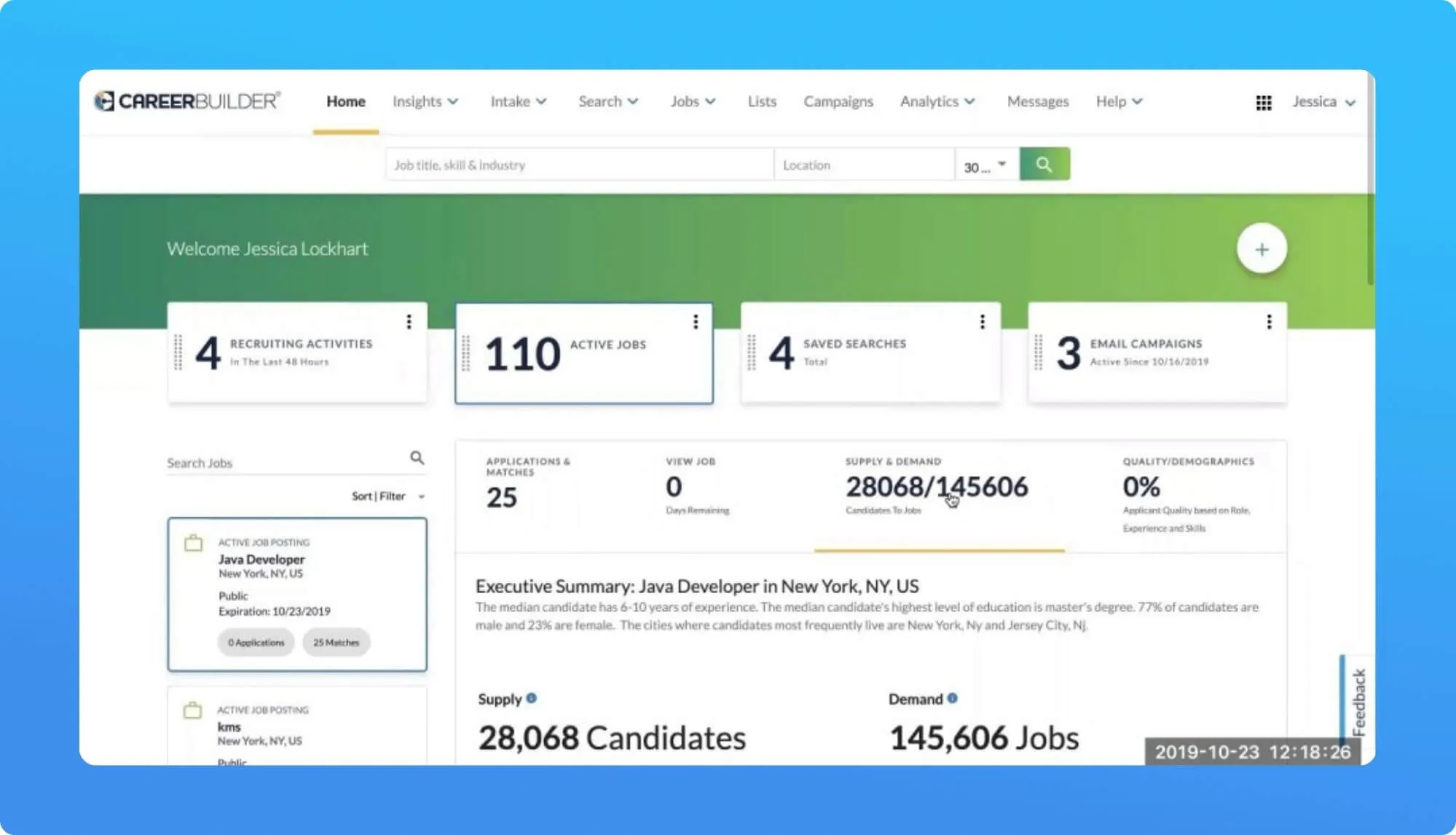
CareerBuilder is a broad job-search platform covering opportunities across industries such as administration, customer service, sales, healthcare, technology and business.
Because it isn't restricted to one profession or sector, it's useful if you're still exploring different career directions or want to compare entry-level opportunities across several industries.
You can search by job title, keyword and location, as well as explore remote roles and entry-level vacancies.
Best for: Broad entry-level job searches across multiple industries.
Geographic focus: Primarily the United States.
Types of opportunities: Entry-level and junior jobs across business, customer service, administration, sales, technology, healthcare and other sectors.
Explore: CareerBuilder
2. College Recruiter
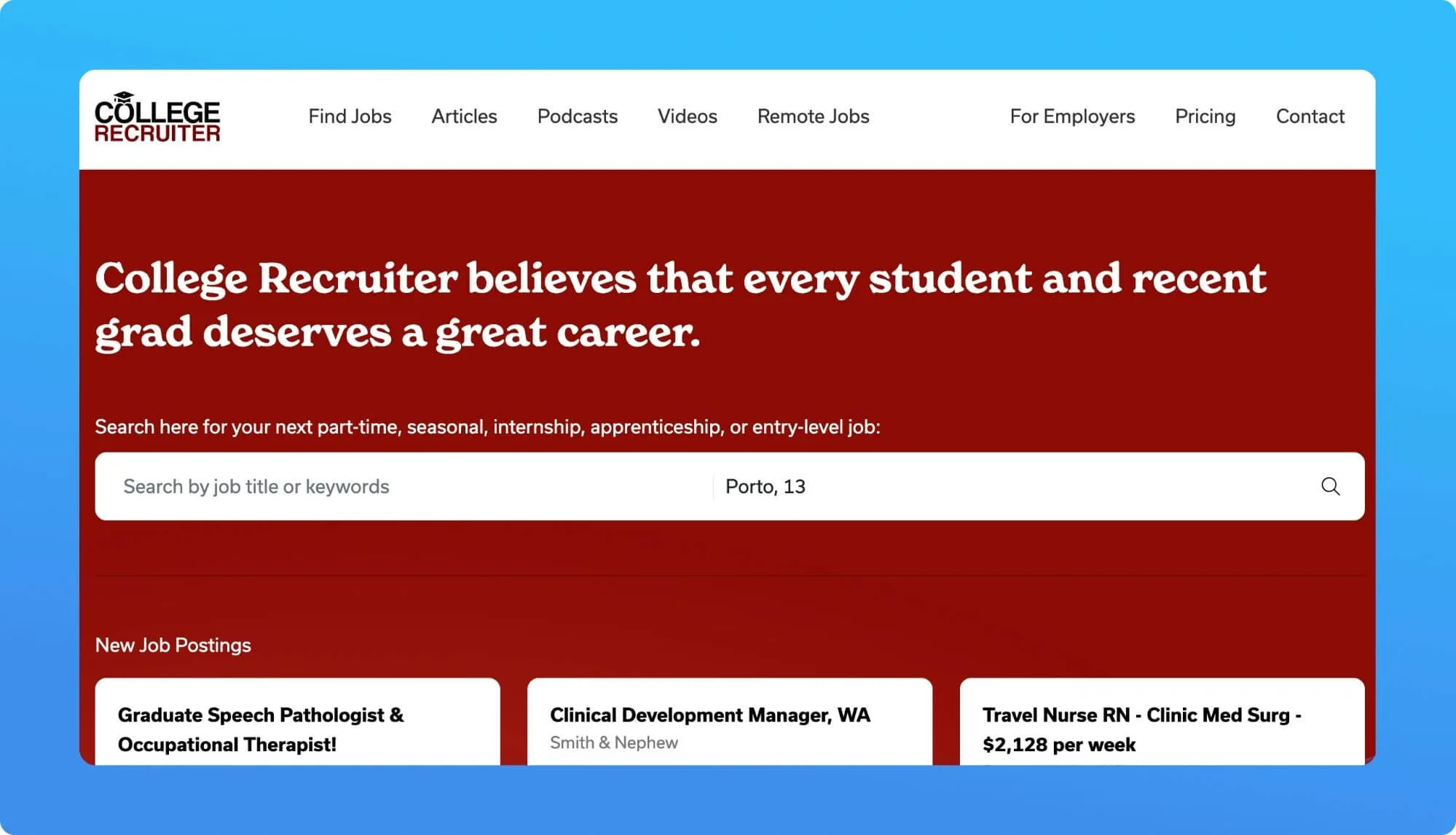
College Recruiter focuses specifically on early-career hiring.
The platform connects candidates with employers looking for students, recent graduates and other people at the beginning of their professional careers.
You'll find more than standard full-time vacancies. College Recruiter also includes internships, apprenticeships, seasonal work and part-time roles — all useful ways to build experience and get a foot in the door.
Despite its name, don't assume you need to be currently studying to benefit from it. If you're looking for opportunities where employers expect candidates to have limited professional experience, it's worth exploring.
Best for: Students, recent graduates and candidates building their first professional experience.
Geographic focus: Primarily the United States.
Types of opportunities: Entry-level jobs, graduate roles, internships, apprenticeships, seasonal and part-time work.
Explore: College Recruiter
3. Creative Lives In Progress
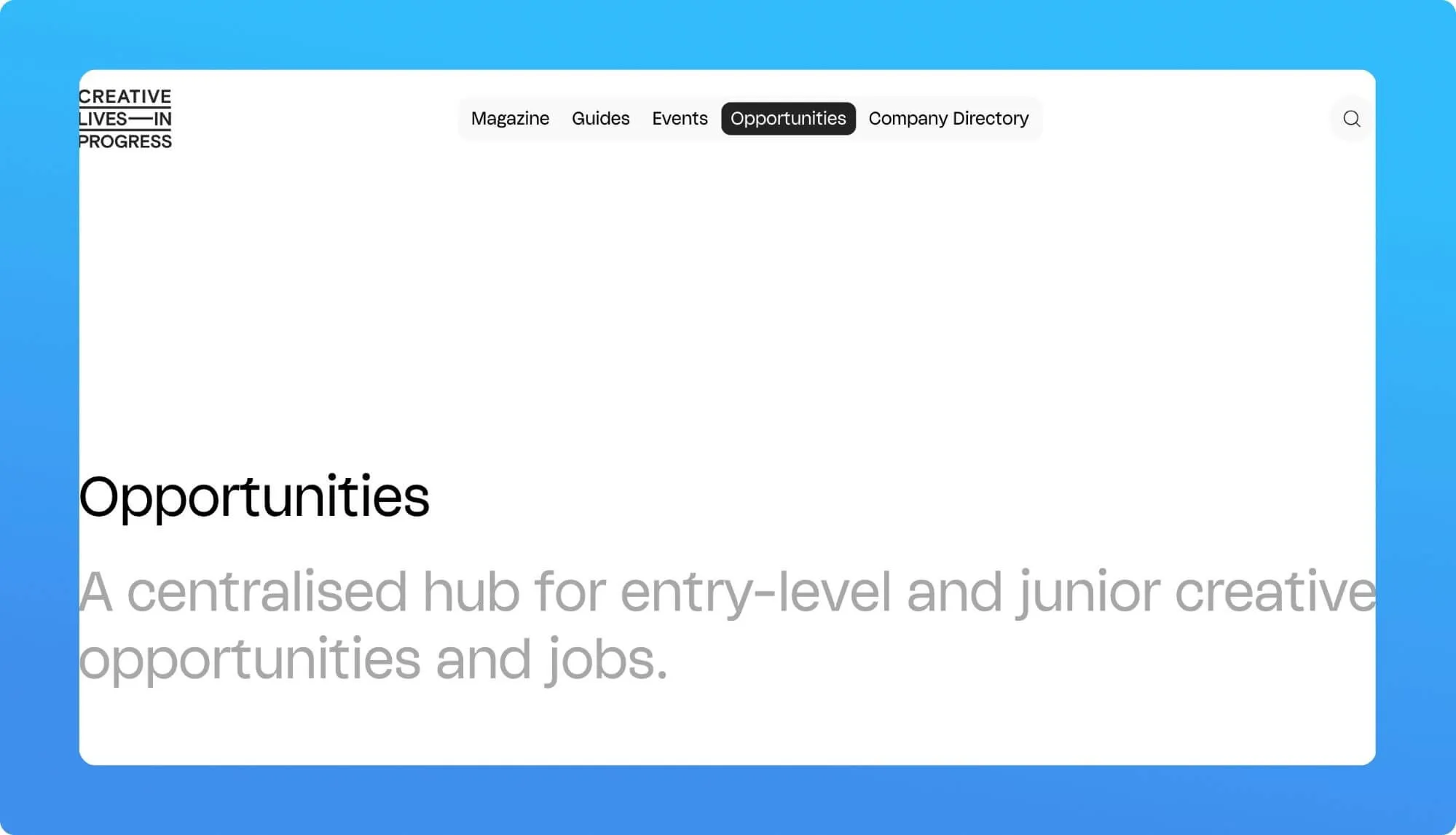
Creative Lives In Progress takes a broader approach to starting a career.
Its Opportunities Board is designed for emerging creative talent and includes not only junior jobs and internships, but also mentorships, training programmes, grants, competitions and other opportunities that can help you build experience.
That's particularly valuable in creative industries, where your first break doesn't always arrive through a traditional full-time vacancy.
If you're trying to build a career in design, content, communications, media or another creative discipline, the platform can help you find both work and ways to strengthen your portfolio.
Best for: People starting careers in creative industries.
Geographic focus: Primarily the UK, with selected international opportunities.
Types of opportunities: Junior jobs, internships, apprenticeships, mentorships, training programmes, grants and creative opportunities.
Explore: Creative Lives In Progress
4. Handshake
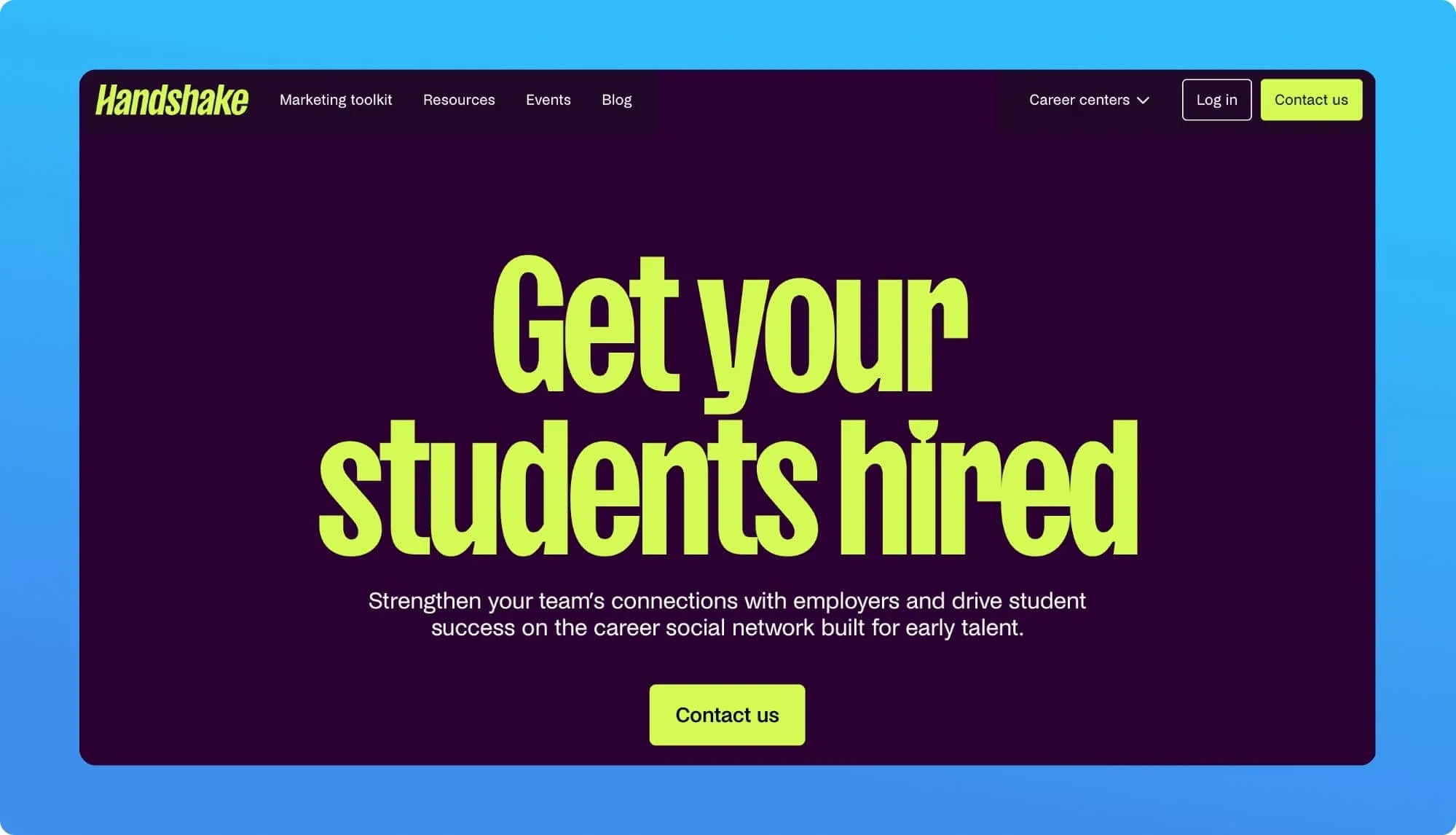
Handshake began as a career platform focused on university students and recent graduates, but its audience has expanded.
The platform is now relevant to a wider group of job seekers, including people starting, restarting or changing careers.
Alongside job and internship listings, Handshake offers employer events, networking opportunities and personalised job recommendations.
That makes it particularly interesting for career changers. You don't need to have just graduated to benefit from platforms built around early-career hiring.
Best for: Early-career professionals, recent graduates and career changers.
Geographic focus: Primarily the United States, with some international opportunities.
Types of opportunities: Entry-level jobs, internships, graduate roles, employer events and early-talent opportunities.
Explore: Handshake
5. Monster
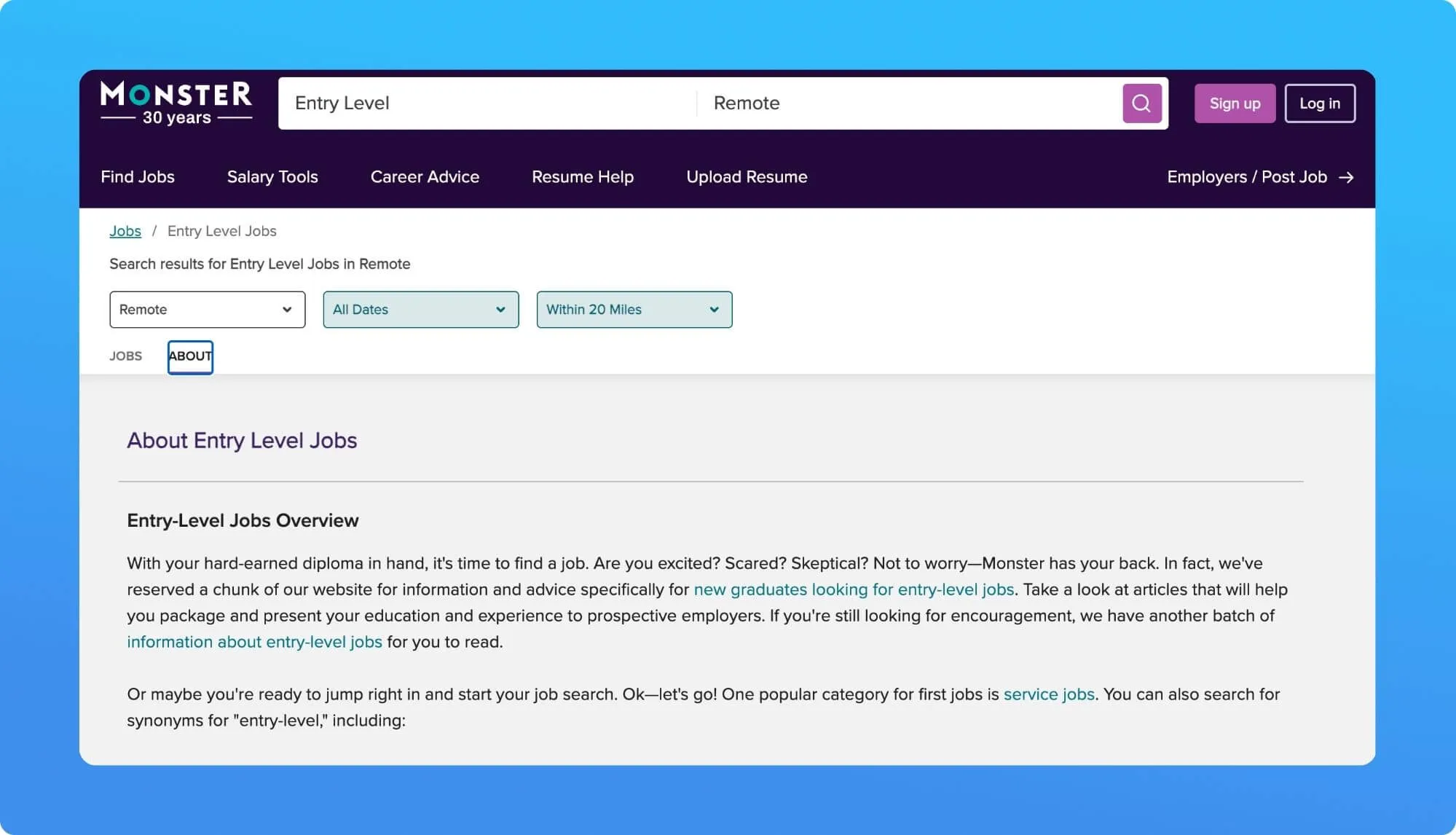
Monster remains one of the larger general-purpose job boards and gives you access to entry-level opportunities across many different professions and industries.
The platform works particularly well when you already have some idea of the role you're targeting.
Instead of searching only for “entry level,” try combining your search with specific job titles such as:
Junior Data Analyst
Marketing Assistant
Customer Support Specialist
Project Coordinator
Junior Web Designer
Sales Development Representative
Specific searches usually give you a much clearer picture of the opportunities available than broad entry-level queries.
Best for: Candidates who already have a target role or industry in mind.
Geographic focus: International, although availability varies by market.
Types of opportunities: Entry-level and junior positions across technology, business, marketing, sales, customer service, operations and other sectors.
Explore: Monster Entry-Level Jobs
6. NoExperienceJobs
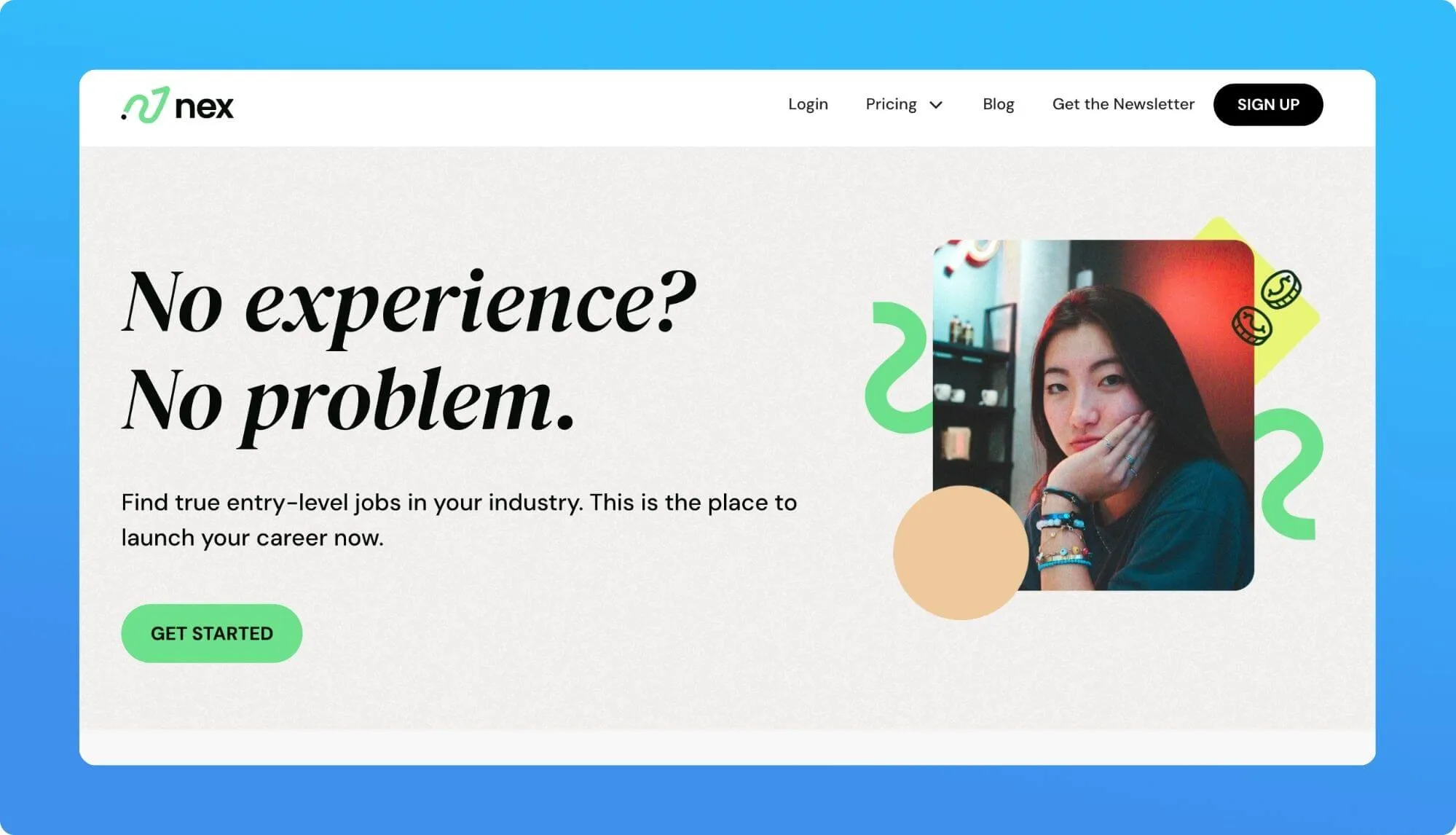
NoExperienceJobs addresses one of the most frustrating parts of entry-level job hunting: vacancies described as “entry level” that still expect several years of professional experience.
The platform focuses specifically on opportunities intended for candidates with little or no previous experience.
Roles span areas such as software development, data, IT, cybersecurity, marketing, customer support, sales, accounting and operations.
This makes it particularly useful if you're trying to enter a new field and want to spend less time filtering out vacancies that aren't genuinely beginner-friendly.
Best for: People looking for genuinely beginner-friendly roles.
Geographic focus: Primarily the United States and remote opportunities.
Types of opportunities: Entry-level roles across technology, data, marketing, customer support, sales, accounting, cybersecurity and business functions.
Explore: NoExperienceJobs
7. Open Doors
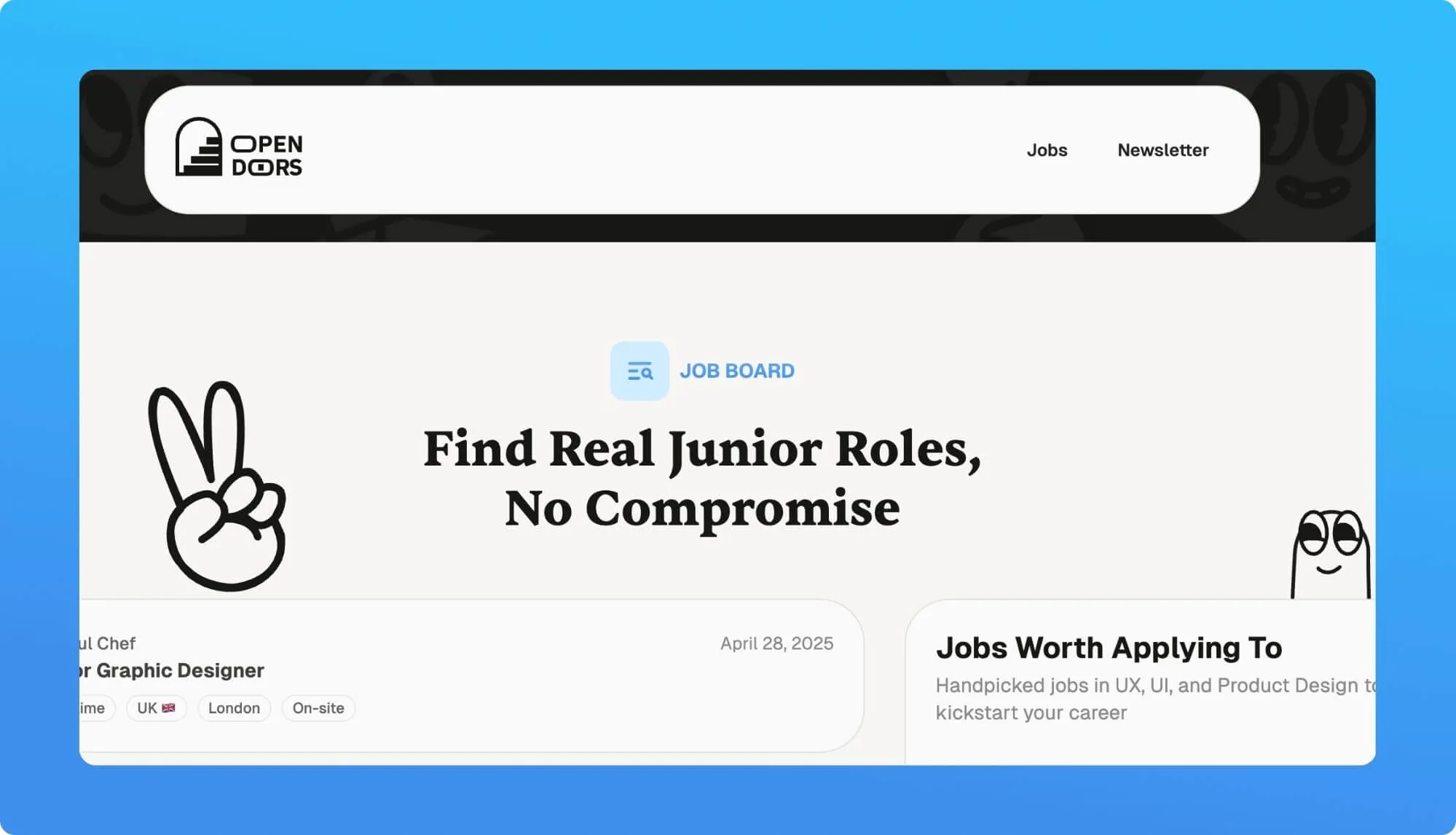
Open Doors specialises in early-career opportunities in UX and product design.
Unlike large general job boards, it focuses specifically on roles relevant to people trying to break into these fields.
You can find junior positions, internships and apprenticeships, with opportunities available across different countries and working models.
The platform also offers portfolio and career resources, which matters in design careers where employers often want to see evidence of what you can do — not just where you've worked before.
Best for: Aspiring UX, UI and product designers.
Geographic focus: International.
Types of opportunities: Junior UX, UI and product design roles, internships and apprenticeships.
Explore: Open Doors
How to Find Genuinely Entry-Level Jobs
One of the biggest frustrations when starting a new career is discovering that “entry level” doesn't always mean what you think it does.
Some vacancies carrying that label still ask for one, two or even three years of previous experience.
So don't rely on the phrase entry level alone.
Try searching for related terms such as:
Junior
Assistant
Associate
Coordinator
Trainee
Graduate
Internship
Apprenticeship
You can also search directly for the role you want rather than filtering only by seniority.
For example, instead of searching for “entry-level digital jobs,” try:
Junior Data Analyst
CRM Assistant
Marketing Coordinator
Customer Success Associate
Junior Project Coordinator
Content Assistant
Operations Associate
Junior UX Designer
This will often uncover opportunities that don't explicitly include “entry level” in the job title.
Don't reject yourself too quickly
A job description is usually an employer's ideal profile — not always a checklist of absolute requirements.
If a role asks for one or two years of experience but you meet most of the other requirements, take a closer look before ruling yourself out.
Relevant experience can come from more places than a previous job with the same title.
It might include:
Personal or portfolio projects
Freelance work
Volunteering
Training projects
Internships
Community work
Responsibilities from another career
Transferable skills from previous roles
The question isn't only “Have I done this exact job before?”
It's also “Can I show that I already have some of the skills needed to do it?”
Entry-Level Doesn't Mean Starting From Zero
This matters particularly if you're changing careers.
You may be a beginner in data, digital marketing, UX, customer success or project management — but that doesn't erase everything you've already learned professionally.
A former teacher may bring facilitation, communication and stakeholder-management skills.
Someone from customer service may already be strong in problem-solving, communication and customer insight.
An administrative professional may have years of experience organising processes, managing information and coordinating competing priorities.
Those skills don't disappear because your job title changes.
Your challenge is to translate them into the language of your new field.
Before You Go
Your first role in a new career doesn't have to be your perfect role.
Its main job is to help you get in, gain experience and start building credibility in your new field.
Use job boards strategically. Pay attention not only to vacancies, but also to the skills, tools and job titles that appear repeatedly. The job market itself can tell you a lot about what employers value and where you may need to strengthen your profile.
And don't depend on one platform.
Combine large job boards with specialist ones, set up alerts for your target roles, and keep exploring different job-title variations.
Most importantly, remember:
Entry-level doesn't mean starting from zero.
You already have experience. The next step is learning how to connect what you already know with where you want to go next.

Ethan Roberts
Learning & Development
Ethan Roberts is a Learning & Development Specialist focused on workforce reskilling and digital capability building. With 12 years of experience designing upskilling programs for global organizations, he helps professionals embrace lifelong learning in a rapidly changing world.