Career Change
Career Reinvention
How to Get Out of Retail Without a Degree
The fast-paced life of retail isn’t for everyone - and even if it was at one point in your life, it’s okay to change your mind. Fortunately, if you can handle challenging customers and stressful seasonal sales, you already have a foundation to launch a career change. Let’s explore how to transition out of retail without a degree and unlock new career opportunities while learning practical steps for transitioning careers.
Challenges of Leaving Retail Without a Degree
If you’re looking to leave retail and start a new career without a degree, the process can feel overwhelming. Many career guides suggest transitioning into fields that require advanced qualifications, which may leave you wondering if you’re stuck on the shop floor forever. But don’t worry - there are exciting opportunities that don’t demand a degree, especially if you know how to leverage your existing skills.
In this article, we’ll discuss the best careers to transition out of retail without a degree, highlight actionable tips to harness your skills, and answer common questions about career changes for those without formal qualifications.
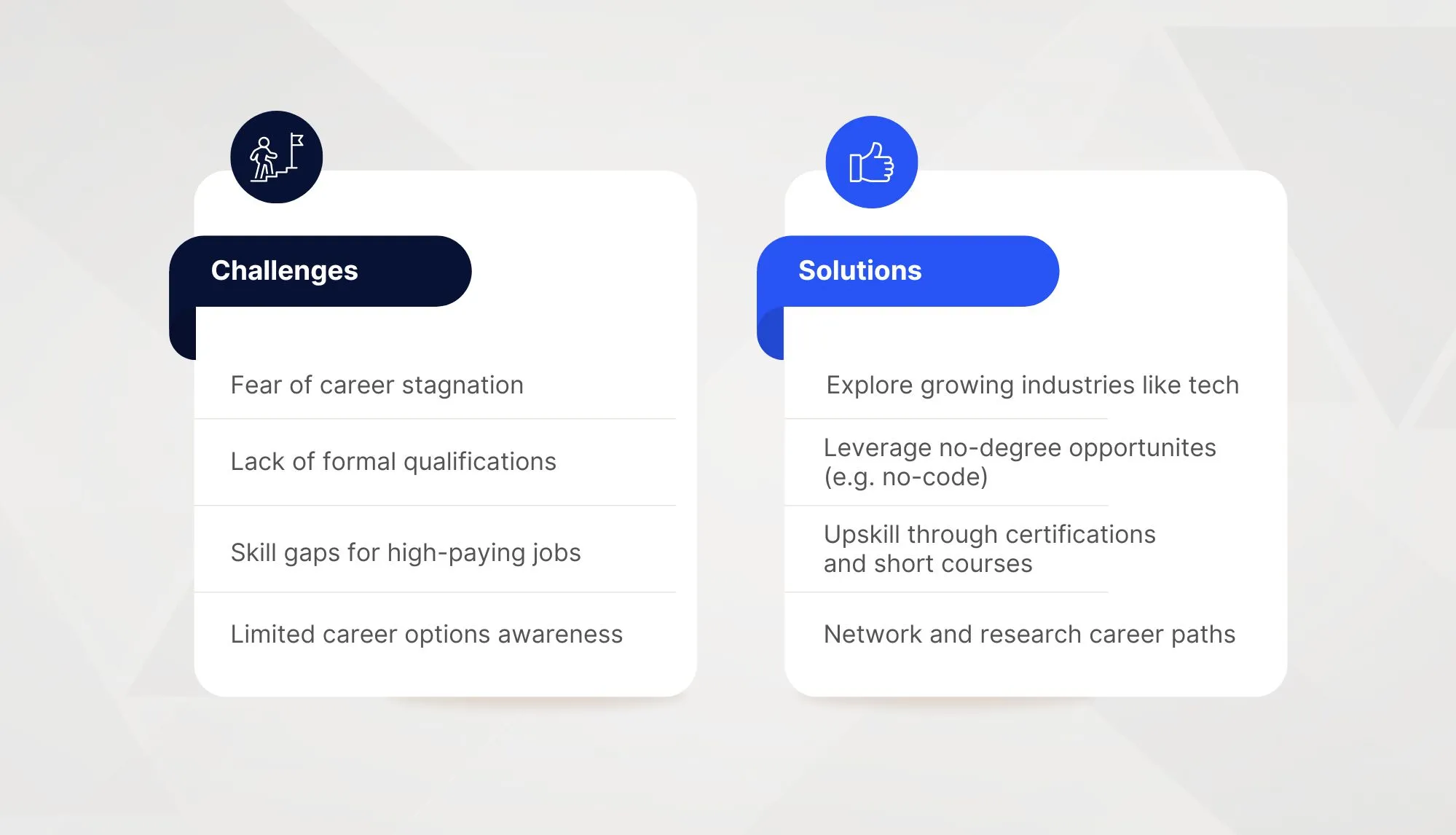
Challenges of leaving retail and possible solutions
Our #1 Recommended Career: Become a Citizen Developer

Become a citizen developer and build programs and applications without code
Who Is a Citizen Developer?
A citizen developer creates programs and applications without needing extensive coding knowledge. This role offers a great way for retail workers to break into tech without a college degree. Think of it as using no-code tools to build software, much like using Canva to design without being a graphic artist.
Embracing Citizen Development in Organizations
Why Citizen Development for Career Changers?
Booming Industry: The tech industry is experiencing significant growth, with employment in computer occupations projected to grow by 14.2% from 2022 to 2032, compared to just 3% for all occupations. Forbes
Accessibility: Many tech companies value skills over formal degrees, making it easier for individuals without traditional educational backgrounds to enter the field.
High Salaries: The average salary for a citizen developer in the United States is approximately $101,720 per year. Quandary Consulting Group
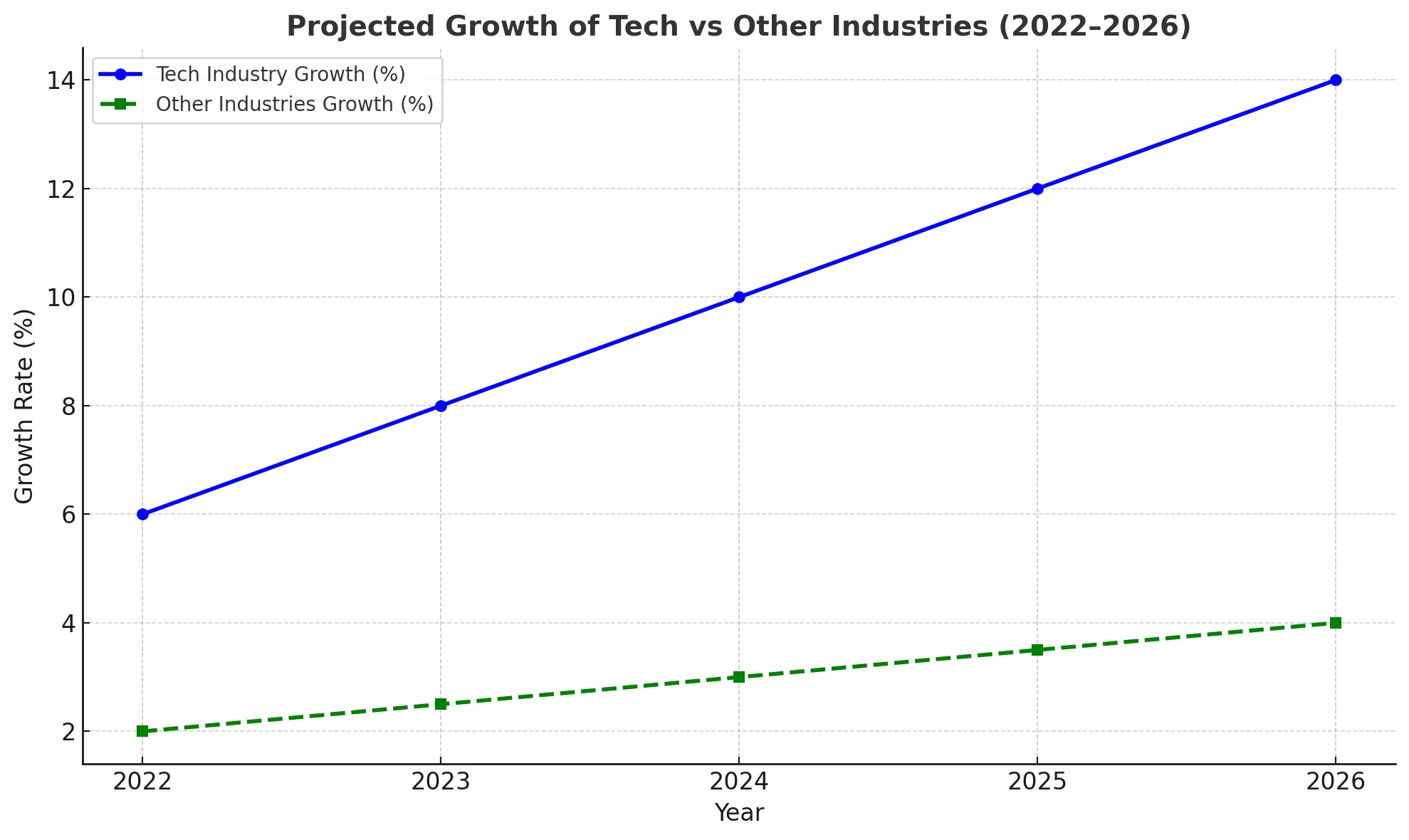
Industry Growth Comparison
How Retail Skills Translate to Citizen Development
Tech Familiarity: Retail roles often require using software for inventory, orders, or scheduling, providing a solid base.
Business Logic: Working in retail offers insight into customer needs, operations, and supply chains, which can help when designing apps or systems.
Customer Focus: Understanding user needs and preferences is critical when building user-friendly applications, a skill in which retail workers excel.
How to Get Started
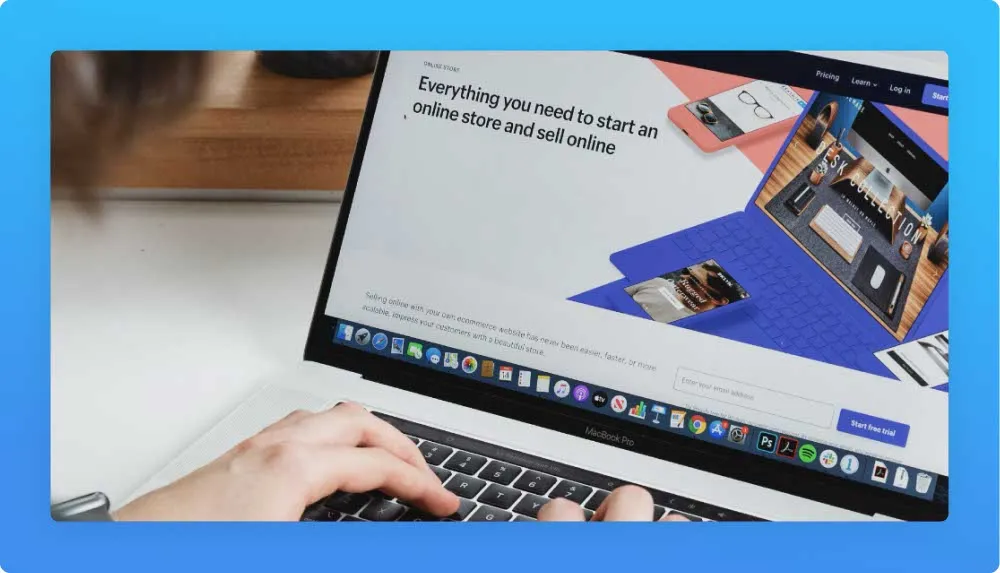
Put that plan in motion! Start with no-code courses
Choosing a No-Code Program
Begin with courses like the Fledge Institute’s Foundations Program. Adding structure to your learning journey ensures you build a strong skillset, which employers value highly. For example, the Fledge Institute provides resources to master app-building techniques while guiding learners through real-world projects.
Success Story: Ana, a former retail worker from Lisbon, used the NoCode Foundations Program to transition into a tech role at a local startup. Within three months, she built automation tools without any coding experience. "I never thought I could work in tech," Ana shared. "But the program made it easy to learn and gave me the confidence to pursue this new path."
Transferable Skills: From Retail to New Careers
Retail work equips you with valuable skills that are highly sought after in many industries. Below is a mapping of retail skills to potential careers, along with example job titles and average salaries:
Retail Skill | Transferable Career | Example Job Titles | Avg. Salary* (USD) |
|---|---|---|---|
Communication | Customer Support | Remote Customer Support Specialist | $40,000–$60,000 |
Commercial Awareness | Sales & Marketing | Business Development Representative | $50,000–$70,000 |
Problem-Solving | Project Management | Project Coordinator | $60,000–$80,000 |
Tech Savviness | Citizen Developer | No-Code Developer | $100,000–$125,000 |
Teamwork | Event Management | Event Coordinator | $45,000–$70,000 |
Attention to Detail | Quality Assurance | Quality Assurance Specialist | $50,000–$80,000 |
Leadership | Management Roles | Team Leader, Operations Manager | $50,000–$90,000 |
*Please note that these figures are approximate and can vary based on factors such as location, experience, and industry. Sources: Payscale and Glassdoor.
Other Careers You Can Pursue Without a Degree
If the thought of a glimmering tech career just isn’t doing it for you, that’s okay. Everyone is different, and you may not like the idea of sitting in front of a screen all day or would prefer a job that uses other skills. Here are our top alternative suggestions.
1. Bank Branch Manager
Manage a team, provide customer service, and help coordinate marketing activities. This role builds on the leadership and communication skills honed in retail. Salaries often range from $60,000–$80,000 annually.
2. Insurance Agent
Combine sales expertise with financial advice. While you’ll need a license, a degree isn’t required. Many agents earn $50,000–$100,000 annually, depending on the commission.
3. Business Development
Focus on strategic partnerships and company growth, leveraging your retail experience in sales and customer interactions. Entry-level salaries can start around $50,000, with significant growth potential.
4. Event Manager
Plan exciting events like festivals or corporate conferences. No formal qualifications are needed - just strong organizational skills and creativity. Salaries typically range from $45,000–$70,000 annually.
5. Digital Marketer
Dive into the tech world with a focus on creativity and strategy. There are free online courses to help you get started in this high-demand field. Salaries often start at $50,000, with room for growth as you gain experience.
Practical Steps to Get Out of Retail Without a Degree

Ready for the next step?
Following these actionable strategies will help you break free from retail while ensuring you maintain a steady path toward your goals. Whether it’s by building skills or networking, the steps below can be tailored to your personal journey.
Phase 1: Identify Your Transferable Skills
List Your Skills: Make a list of transferable skills, such as communication, problem-solving, and leadership, gained from your retail experience;
Reflect on Interests: Consider what excites you about a new career—whether it’s technology, event planning, or helping customers in new ways;
Set SMART Goals: Define specific, measurable, achievable, relevant, and time-bound goals for your transition.
Don’t ignore this step: as Richard Bolles, author of “What Color Is Your Parachute?”, aptly puts it, "Self-assessment is the key to making successful career transitions."
Phase 2: Research Career Options

Find relevant content to keep updated and in the loop
Explore Growing Industries: Look into industries like tech, marketing, and finance that value your skills;
Understand Job Requirements: Read job descriptions to find roles that align with your strengths;
Engage with Professionals: Networking is crucial for career growth - engage on LinkedIn and online Communities to learn from individuals in your desired field.
Phase 3: Upskilling for Career Success
Take Short Courses: Platforms like Coursera, Grow with Google, and the Fledge Institute offer flexible learning opportunities;
Gain Certifications: Pursue credentials like project management (PMP) or Google Ads to stand out;
Build a Portfolio: Work on personal or volunteer projects to showcase your skills.
The Fledge Institute’s program is particularly helpful for those interested in breaking into tech. Graduates often gain practical experience building business tools and applications, making them job-ready in weeks.
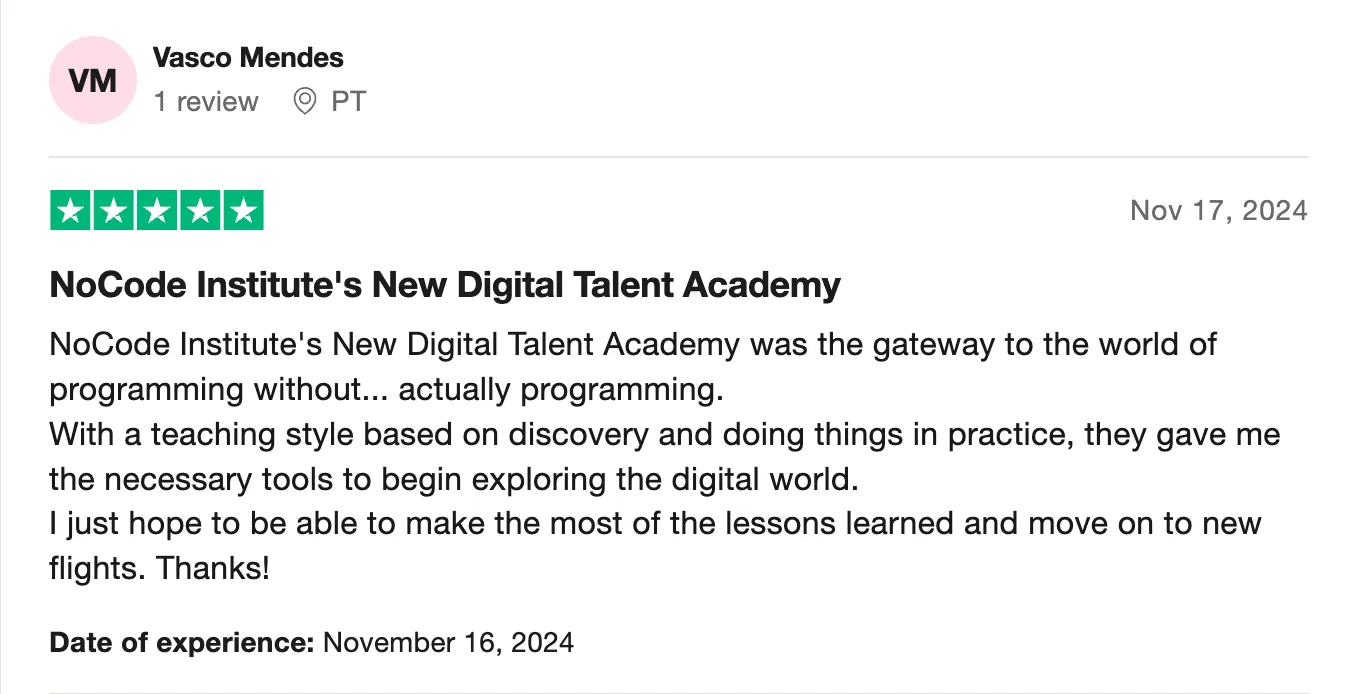
Testimonial from a former student of Fledge Institute (former NoCode Institute).
Phase 4: Launch Your Job Search
Optimize Your Resume: Highlight transferable skills and accomplishments from retail;
Customize Cover Letters: Tailor each cover letter to emphasize how your background aligns with the role;
Network Strategically: Attend events (like career fairs and job expos) and participate in LinkedIn discussions to increase visibility;
Maintain Momentum: Treat job searching as a job, dedicating focused time daily to applications and networking. Try these daily habits for career transformation.
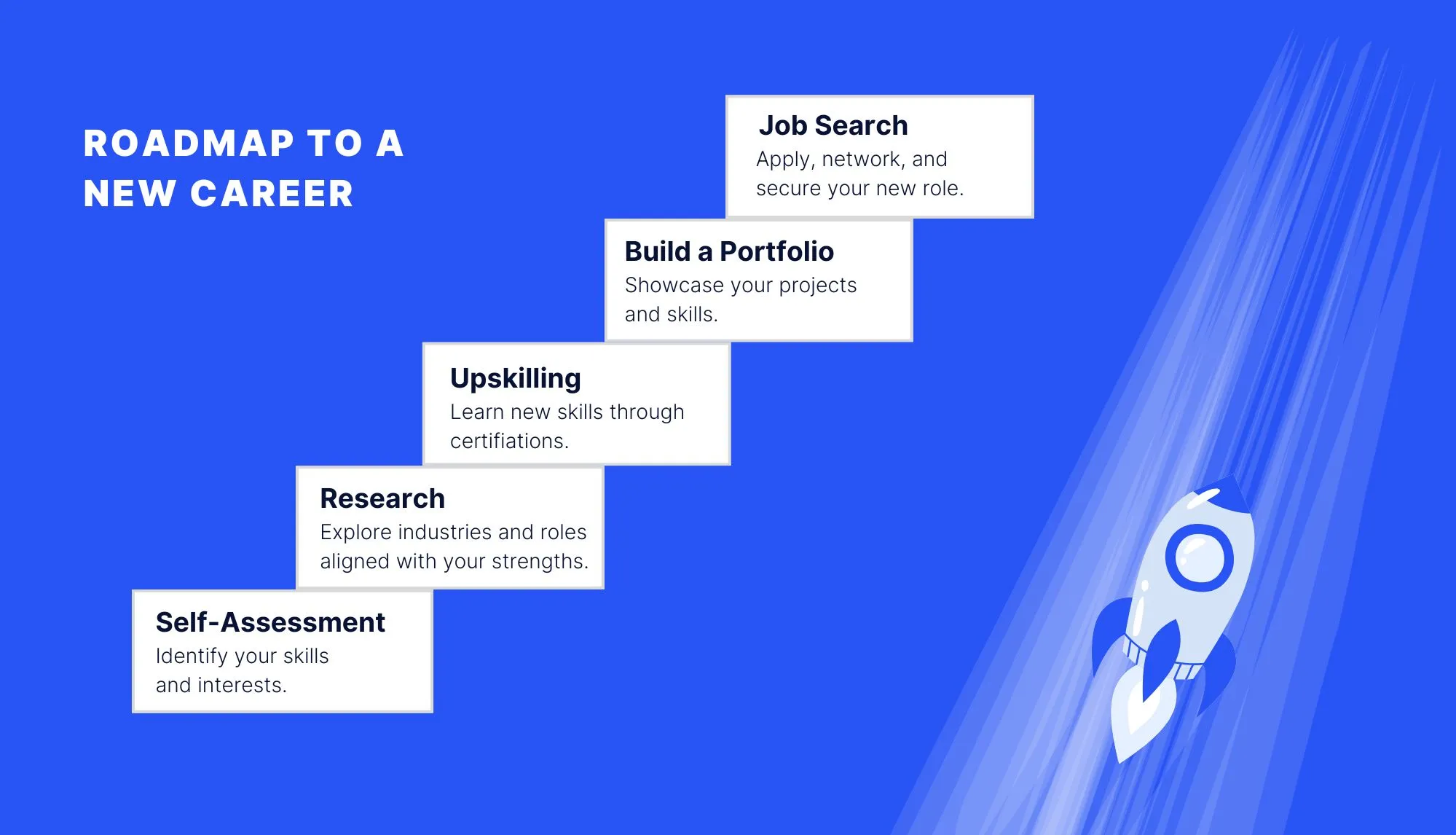
You are just 5 steps away from a career transition
Make That Career Change Happen
A career change is always challenging, but it’s worth pursuing if you know it’s the right move for you. Whether you’re interested in tech or another field, the first step is believing in yourself. With planning and determination, you can break free from retail and achieve your dream career - even without a degree.
Ready to take the leap? Explore courses, set SMART goals, and start your journey today!
Frequently Asked Questions (FAQs)
What industries hire without a degree?
Industries like technology, finance, events, marketing, and business development frequently hire individuals without formal qualifications. Many roles prioritize skills and experience over education.
Can you work in tech without a degree?
Yes! Tech is one of the most accessible industries to enter without a degree, especially through no-code development programs like those offered by the NoCode Institute.
What high-paying jobs can I get after retail with no degree?
Roles such as citizen developer, bank branch manager, digital marketer, and insurance agent can offer competitive salaries without requiring a degree.
What are the fastest ways to transition out of retail?
Taking short courses, building a portfolio, and networking effectively are some of the quickest ways to make a successful career change.

Sarah Mitchell
Career Coach
Sarah Mitchell is a Career Coach with over a decade of experience supporting professionals transitioning into tech. She writes about mindset, confidence, and the transferable skills that help non-technical talent thrive in the digital economy.